


A practical UK buying guide for choosing the right type and size without paying for capacity you will not use.
Dehumidifiers for different jobs
A strong everyday choice, a lower-cost full-size model and a compact option for lighter moisture problems.
Choose the right fit.
Compare the best use case and main trade-off, then check the current Amazon price.
Best for: Most heated UK homes dealing with condensation, damp rooms or indoor laundry.
Worth knowing: Costs more than basic compressor models
Check price on AmazonSee why we picked itBest for: Households wanting a capable dehumidifier without paying premium-brand money.
Worth knowing: Less refined than the Meaco
Check price on AmazonSee why we picked itBest for: Small bedrooms, bathrooms, caravans and other compact spaces with light moisture problems.
Worth knowing: Not suitable for serious damp
Check price on AmazonSee why we picked itProduct links checked 16 August 2026; prices and stock can change.
Still deciding? The full notes below explain the strongest reason to buy each model, who it suits and the main trade-off to know first.
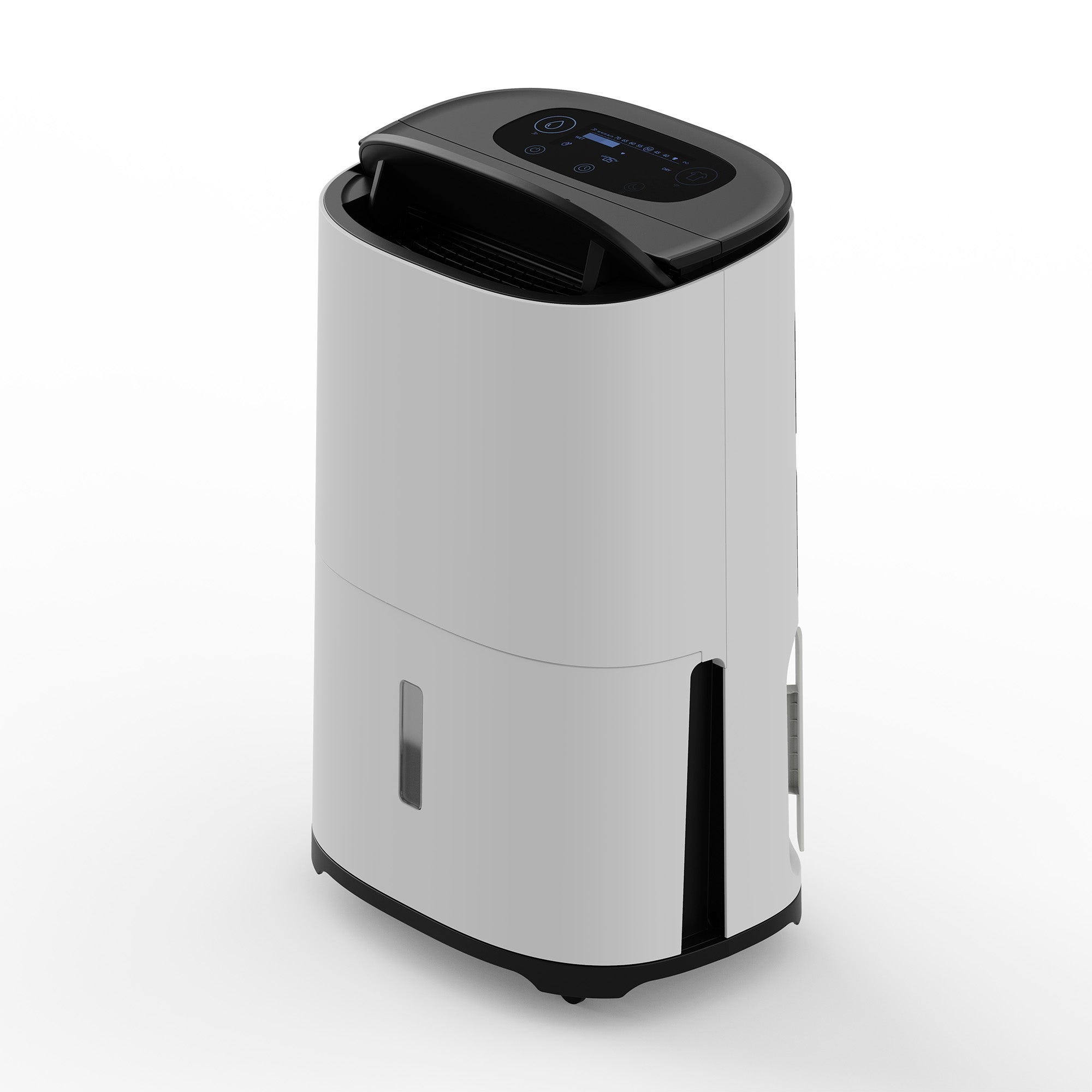
MeacoDry Arete Two 12L
A well-rounded home dehumidifier that combines straightforward humidity control with a useful laundry-focused setup.
Best for: Most heated UK homes dealing with condensation, damp rooms or indoor laundry.
- Designed for everyday home use
- Automatic humidity control
- Useful for drying laundry indoors
Worth knowing: Costs more than basic compressor models
Check price on Amazon
Pro Breeze 12L Low Energy Dehumidifier
A more affordable full-size option that still gives you proper humidity control rather than the limited performance of a mini unit.
Best for: Households wanting a capable dehumidifier without paying premium-brand money.
- Full-size 12L format
- Built-in humidity control
- Better value than many premium models
Worth knowing: Less refined than the Meaco
Check price on Amazon
Pro Breeze 500ml Premium Dehumidifier
A compact, low-cost option for small spaces and mild condensation where a full-size compressor dehumidifier would be unnecessary.
Best for: Small bedrooms, bathrooms, caravans and other compact spaces with light moisture problems.
- Compact and lightweight
- 500ml water tank
- Quiet Peltier operation
Worth knowing: Not suitable for serious damp
Check price on AmazonPrices and stock can change. Check the current Amazon listing before ordering.
The quick answer
For a normally heated flat or house, begin with a compressor model that has a humidistat, laundry mode and enough airflow to move dry air across a clothes horse. For a genuinely cold, unheated room, compare desiccant models as well. Do not choose by litres per day alone: published extraction figures are measured under specific temperature and humidity conditions that may be warmer and wetter than your room.
- Heated room: start with an efficient compressor model
- Cold utility space: compare low-temperature performance
- Every home: prioritise humidistat control, noise and safe placement
Choose for the room, not the washing machine
Decide where laundry will actually dry. A smaller closed room is easier to manage than an open-plan floor because the appliance is treating less incoming air.
Measure the available floor space and check the manual's required clearances. The outlet should be able to send dry air towards or across the clothes without the machine sitting beneath dripping garments.
The features that earn their place
A reliable humidistat lets the machine reduce or stop extraction when the target is reached. A timer or automatic laundry programme can prevent it running indefinitely. Continuous drainage is useful only if a safe drain is nearby; otherwise, check whether the tank is comfortable to remove and carry.
- Clear humidity display and adjustable target
- Laundry mode or a practical timer
- Auto shut-off when the tank is full
- Washable filter and available replacement parts
- Noise figure for the fan speed you will actually use
Compare watts, not marketing promises
Running cost depends on the appliance's measured power and your electricity tariff. Multiply watts by hours, divide by 1,000, then multiply by your price per kilowatt-hour. Compare machines using the same room conditions where possible.
A lower-wattage model is not automatically cheaper if it needs much longer to finish the job. The useful comparison is the energy required for a typical load in your room.
When a dehumidifier is not the answer
A dehumidifier can help manage moisture from indoor laundry and condensation, but it cannot repair a leaking roof, failed plumbing, penetrating damp or inadequate fixed ventilation. Persistent damp or mould needs its underlying cause investigated, particularly in rented accommodation.
Common questions
What size dehumidifier is best for drying clothes?
There is no reliable litres-only answer. Use room temperature, room size, airflow, the amount of laundry and the manufacturer's extraction data at realistic conditions.
Should windows be open while using a dehumidifier for laundry?
Usually not during a focused laundry cycle. A closed room helps the appliance treat a smaller volume of air, but normal background ventilation should not be permanently blocked.
Sources and notes
We reviewed manufacturer information and independent public guidance where relevant. This article does not claim hands-on testing unless explicitly stated.
- Understanding and addressing the health risks of damp and mould — UK Government
- Dry laundry fast: controlled drying experiment — Meaco
- Dehumidifier instruction manuals — Meaco
Last updated 14 August 2026.